

EVERY CHILD HAS CONFLICTS. NOT EVERY CHILD HAS SOMEONE TO HELP THEM THROUGH IT
Peace Guide Services — Youth Mentoring Program
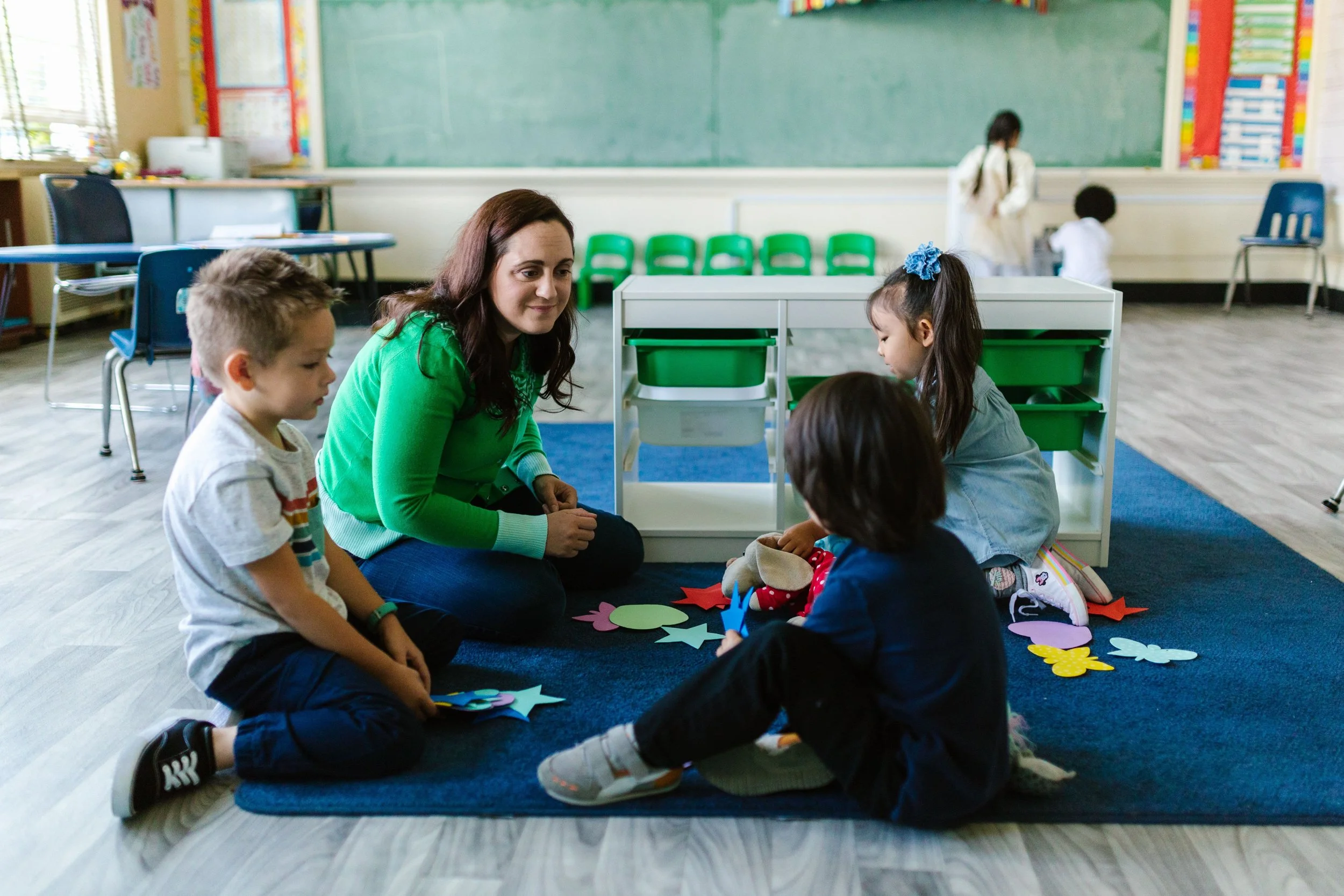
All kids have moments they don’t know how to handle — losing a best friend, a fight that won’t stop repeating, a bad day that turns into a bad month. A Peace Guide is a trained youth mentor who meets with K–8 students weekly and uses an evidence-based, trauma-informed approach called Collaborative Problem Solving® | Think:Kids to teach social-emotional skills. Those skills don’t stay in the building. Kids carry them into every hard conversation they’ll ever have.
To bring a Peace Guide to your school, first become a Partner School (it’s free), then apply for your Peace Guide.
"We started to become best friends again because of the Peace Guide. Really helped me form an amazing friendship."
— A student, after working with a Peace Guide
10
Partner Schools Served
1,784
K-8 students served
4,310
one-on-one conversations with students
537
group conversations
Numbers reflect the 2025–26 academic year.

NOT A DIAGNOSIS, A SKILL
What does a Peace
Guide do?
Twenty-five kids, twenty-five different moods, and about four minutes to sort it all out. It's only Wednesday, and you've sent the same two boys out into the hallway — again. Your teachers want to help them work it out, but they've got a classroom waiting and a lesson to teach. That's where a Peace Guide steps in.
A Peace Guide is a person kids know and trust. They can help kids talk through harsh words at lunch, feeling like they have no one to play with at recess, or struggling to concentrate in class because of difficulties at home. Guides help students work through everyday challenges and build practical skills, right alongside teachers and staff. It's not therapy or a diagnosis — it's steady support from someone who shows up week after week.
Whether meeting one-on-one or in a small or large group, Peace Guides don’t hand kids a fix. They ask: What do you think would help? Then kids practice it, so they’re invested in making it work. That means real-life skills: listening until someone feels understood, saying what you’re feeling before it boils over, standing up for yourself or a friend without starting a fight. Kids carry them into every tough conversation — in school, at home, and beyond.
“The Peace Guide has been very proactive and catches things sometimes that I don’t see or hear as a teacher. This has been very helpful because it stops the problem before it escalates. It has given me more time to teach the curriculum.”
— Teacher, PeaceMaker Partner SchoolA few things Peace Guides help with
Peace Guides work with students who aren’t meeting behavioral expectations at school, referred by their schools. None of these are hypothetical — they’re patterns that Peace Guides report year after year.
“Two kids who can’t share the same space without a fight breaking out.”
A Peace Guide works with both of them — separately at first, then together — on naming what happened and how it felt, and on creating a plan to help them develop skills and reduce conflict.
“Next time, I will walk away and take a break instead of saying mean things.” — Student
“A friendship that just fell apart.”
Guides help kids figure out what actually repairing a friendship looks like — not a forced apology, but rebuilding trust one small step at a time.
“We started to become best friends again because of the Peace Guide. Really helped me form an amazing friendship.” — Student
“The kid who’s stopped participating in class.”
When a student pulls back from class altogether, a Peace Guide offers one consistent adult, same time every week, until that kid believes someone’s actually going to keep showing up for them.
“I have had a handful of students who need guidance in navigating social issues. It has been so nice to have them meet with the Peace Guide.” — Teacher
Nine skills, three domains
Each of those moments above comes down to a specific, teachable skill. Here are the nine we focus on, grouped into the same three domains.
Conflict Resolution
- Reflective listeningModeling real active-listening exercises so a kid knows what being heard actually feels like.
- Recognizing & naming feelingsPutting a word to a big emotion before it turns into a big reaction.
- Problem solvingWorking together to come up with solutions to current problems instead of being handed the answer.
Positive Relationships
- EmpathySimple empathy-building activities that help a kid see a situation from someone else’s side.
- FlexibilityPracticing flexible thinking when a plan changes or a friend sees it differently.
- ReconciliationHow to repair a friendship after a conflict — not just end it.
Self-Esteem
- Recognizing strengthsNaming what a kid is already good at, out loud.
- Building a support networkHelping every kid map out the adults and friends they can actually turn to.
- Practicing assertivenessReal assertive-communication examples a kid can use the next day, not just in the room with the Guide.
Ready to bring a Peace Guide to your school? Become a Partner School →
The program, by the numbers
Where the conversations go
- Self-esteem 42%
- Conflict resolution 37%
- Relational skills 21%
Share of one-on-one conversation topics, 2025–2026 school year.
What teachers, staff, and administrators say
The Peace Guide is helping to improve students’ behavior
Students who work with the Guide are learning to resolve conflicts, build and sustain positive relationships, and develop self-esteem
Dashed line = our 80% goal
Both groups surpassed the 80% goal on both questions.
Full school-year averages, combining the mid-year and end-of-year surveys (176 staff survey responses in all). Source: Peace Guide Services 2025–2026 School Year Impact Report.
Where Peace Guides work
What schools are saying
Feedback pulled directly from teachers, administrators, and executive directors at Peace Guide partner schools.
“The Peace Guide has become a dependable source of support for students who are struggling and has contributed positively to the overall school environment.”
— Myla, Dean of Students
“Because they feel heard, valued, and important by the Peace Guide, they respond by improving behaviors and relationships in school.”
— Robin, Teacher
“In a school environment, the ‘invisible’ work of listening, mediating, and quiet encouragement is often the most vital. Our Peace Guide made this work visible.”
— Kristy, Executive Director
“She has been an incredibly valuable support for both staff and students…providing encouragement during challenging moments.”
— Jessica, Teacher
“The Peace Guide’s work is essential to the smooth functioning of the day. She provides essential guidance, assistance, and conflict resolution for our scholars throughout the building.”
— Elizabeth, Teacher
“Our Guide is a blessing…she supports students’ emotional health and helps us attend to the growing number of students who experience interpersonal, social, and emotional challenges.”
— Bob, Teacher
And in kids’ own words:
Why this matters
Every three years, Minnesota surveys students statewide about how they’re really doing. The answers are a big part of why Peace Guide Services exists.
9.7%
“rarely” or “not at all” express their feelings in a proper way
13%
feel that adults at their school, other than teachers, care about them “not at all” or “a little”
1 in 4
rarely or sometimes resolve conflicts without anyone getting hurt
Minnesota Student Survey: 2025 student survey results for 5th graders
How to bring a Peace Guide to your school
Four steps, start to finish — from joining to choosing the person who’ll be in your school every week.
Start here: Peace Guide Services is available to Partner Schools. Become a Partner School first — it’s free — then apply for a Guide.
Become a Partner School
Join the free Partner School Network. It’s quick, and it’s the first step for every Peace Guide school. It also unlocks Ambassadors for Respect and Books for Peacemakers, if those fit too.
Apply for a Peace Guide
Tell us about your school and what you’re hoping a Peace Guide could help with. The application opens in a new tab — you won’t lose your place here.
Meet your Program Manager
We’ll talk through how the program could work at your school, and map out next steps together.
Review your Guide candidates
PeaceMaker does the first pass of interviews, then presents up to two Guides for your school to review, interview, and choose from.
The total cost of a Peace Guide
$36,168 per year
That’s one Peace Guide working up to 20 hours a week — about 660 hours a year — with students.
Your school
$5,000
For up to 20 hours a week — about 12% of the total.
PeaceMaker
$31,168
Covered by donations and our contract with the State of Minnesota — about 88% of the total.
Your school’s $5,000 is a fraction of what a Peace Guide really costs. PeaceMaker covers the rest.
Help cover the cost — sponsor a Peace GuideWhat goes into that cost. PeaceMaker:
- Recruits your Peace Guide
- Runs the interview process
- Trains your Guide
- Supervises your Guide all year
What we ask of Peace Guide schools
Peace Guide Services works best when a school invests alongside us — with time, space, and a real partnership. Here’s what that looks like.
Name a point person
Choose a staff member to check in with your Guide every week. The best fit is someone with a broad view of how students can be supported at your school.
Be open to our surveys
PeaceMaker sends the survey links directly to your staff and students to measure the Guide’s impact. We ask you to help encourage participation.
Pay your portion
Your school’s portion is $5,000 for up to 20 hours a week. PeaceMaker covers the rest.
The full picture
A Peace Guide is part of your school team. These are the things that help a Guide get off to a strong start and make a lasting difference.
Before
Before your Guide is hired
- Plan how a Guide fits with your staffingHow will your Guide work with your Student Support Team? Will they join staff meetings? Who will be their point person for progress, questions, or concerns?
- Set up a referral processA Google Form, a paper form, or a digital form emailed to the Guide. Each referral says which expectation the student isn’t meeting, what staff have already tried, and the best days and times for the Guide to meet them.
At the start
When your Guide starts
- A place to workA designated, easy-to-reach space with privacy for conversations, a shelf for supplies, a secure spot for belongings, a desk or table, and printer access.
- Orientation and trainingShare your staff orientation schedule, and include your Guide in new-employee orientation and trainings such as safety drills, classroom management, bullying prevention, and trauma-informed approaches.
- The basicsA school email address if you issue one, your dress code, and who to tell about absences and school closures.
All year
Throughout the year
Check in with your Guide (or have a designee do it). Share current referrals and the schedule, talk through challenges that affect the Guide’s work, and answer their questions.
Review the report your PeaceMaker Program Manager sends on your Guide’s activities, and ask any questions.
Meet with your Guide and Program Manager to talk about how services are going.
Give feedback for your Guide’s two performance reviews, at 90 days and at one year (your Program Manager will prompt you), and take part in the Peace Guide Services survey.
Share a few things with us: four photos PeaceMaker can use for marketing and fundraising, and two letters from staff about the value of the Guide role. Your Program Manager can share guidelines.
Every child deserves someone dependable in their corner. Sponsor a Peace Guide and bring a trusted adult to listen and guide kids through life's hard moments.
PeaceMaker Minnesota’s programs
Peace Guide Services is one part of a bigger toolkit — most schools use more than one program.

GET INVOLVED
Ready to bring a Peace Guide to your school?
Reach out and we’ll talk through what fits your school. Or fund the work directly: your gift supports Peace Guides in schools across Minnesota.
Prefer to talk? 651.631.1604
Sign up for updates
Make our mission yours.
News, events, and ways to get involved!