FOR ADULTS • DEVELOP YOUR SKILLS
BE WITH PEACEMAKERS
The Peaceful Pen: Communications Skills Classes for Adults
Three short courses: listen so the other person feels understood, say what you feel without escalating, and work through a disagreement instead of around it. In each one, you learn a skill, then write with it, so it's already in your hand before the next hard conversation.
From PeaceMaker Minnesota and local partners. Each course is two hours and stands on its own, so attend one class or all of them.
Lead a group or teach a skill? Host or design a Peaceful Pen course →

CHOOSE A COURSE
Three communication skills classes, one way of practicing
Each course teaches multiple peaceful communication skills you can use at home, at work, and everywhere in between. Take them in any order. They also build on each other.
Reflective Listening
Listen so the other person feels understood.
2Managing and Expressing Emotions
Pause before reacting, and say what you feel without escalating.
3Problem Solving and Conflict Resolution
Work through a disagreement instead of around it.
Hear them out→Stay steady→Solve it together
WHY PEOPLE COME
What you'll take away from the Peaceful Pen
Every course has one purpose: to strengthen your peaceful communication skills. Here's what that looks like when you leave.
Skills you'll use that night
Practical ways to communicate that work at home, at work, and everywhere in between.
Room to grow
Hearing what others write opens you up to new perspectives and insights. Many people say they leave feeling enriched and inspired.

People who care about the same thing
Meet neighbors who are interested in peacemaking and personal growth.

A reason to keep choosing peace
Leave reminded of why peacemaking matters and ready to try again tomorrow.

Course 1 · 16 hours (or 8 two-hour sessions)
Course 1: Reflective Listening
Listen so the other person feels understood.
What is Reflective Listening?
Reflective listening means understanding someone’s feelings, thoughts, and needs so the speaker feels heard and understood. The focus is on the speaker and what they’re saying, and we work to clarify and confirm our understanding with the speaker.
The four reflective listening skills
It starts with a mindset: receptive, without judgment, caring, and curious. Then you practice four skills until they come naturally.
Reflective listening examples: reframing hurtful words
When someone says something hurtful, you can fight back, withdraw, or reframe: filter out the negative and name the need underneath.
Course 2 · Coming soon
Course 2: Managing and Expressing Emotions
Pause before reacting, and say what you feel without escalating.
No one can make us angry. People and events can trigger a feeling, but how we interpret what happened shapes that feeling. That's good news: when we notice our feelings, we can take charge of them and choose our words, instead of letting our emotions choose for us.
How to stay calm in an argument: recognize, own, express
How to express your feelings with I statements
An I statement says how you're affected and what you need, without attacking the other person, so they can hear you without getting defensive.
I statements examples
This course is about everyday frustration, hurt, and worry. It isn't therapy. If your emotions feel overwhelming, start with a licensed counselor.
Course 3 Coming soon
Course 3: Problem Solving Steps
Work through a disagreement instead of around it.
Conflict happens when something or someone interferes with, or is believed to threaten, someone's goals, interests, or needs. Healthy conflict resolution looks for an arrangement that lets both people meet their interests and keep a positive relationship.
Steps to resolve a conflict
These conflict resolution skills pull together everything from the first two courses.
Interests vs. positions
Your position is what you want. Your interest is why you want it. Positions often clash, but interests can usually both be met, so the course teaches you to ask about interests: “What matters most to you?”
How to disagree respectfully
- Focus on the problem, not the person.
- Look to the future, not the past.
- Look for a win-win that meets their interests too.
THE PEN
Why writing helps: the benefits of journaling and expressive writing
You can't practice a new skill in the middle of an argument, but you can practice it on paper. Psychologists have studied expressive writing (writing freely about your thoughts and feelings) for decades. You can read more from Greater Good in Action at UC Berkeley. The Peaceful Pen isn't therapy. It's communication training that uses writing as the practice space.
I enjoyed the interactive nature of the program and that there were a variety of activities to present the concepts. I enjoyed the creative writing experiences more than I thought I would.
Peaceful Pen participant
EVERY COURSE
What a Peaceful Pen class looks like
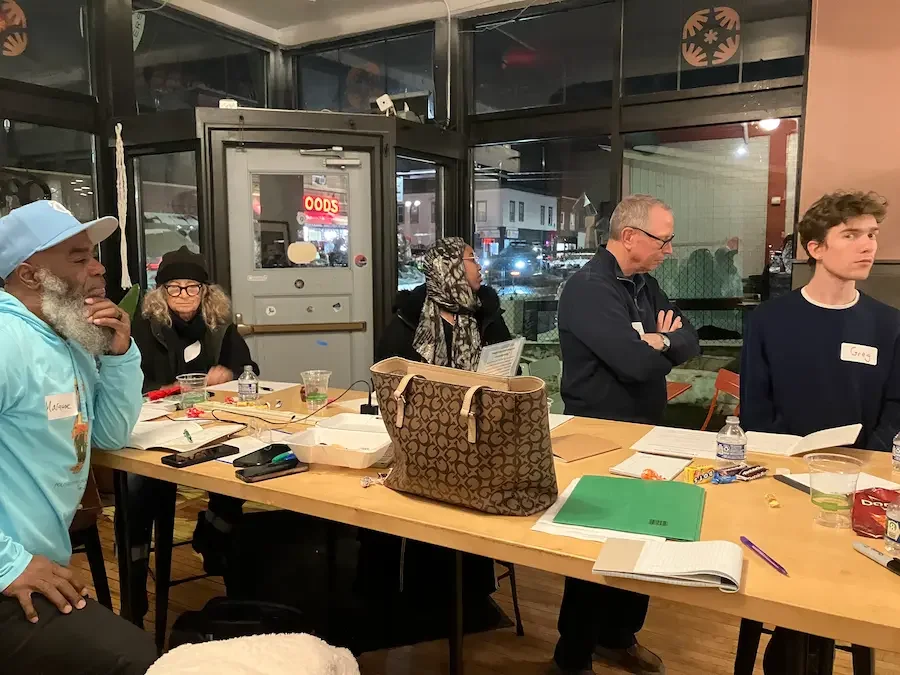
Every course follows the same shape. Come a few minutes early for refreshments, a name tag and a hello. We start on time.
Warm up
A short warm-up conversation in pairs, a welcome, and introductions.
Learn the skill
Hands-on teaching, as interactive as the group is comfortable with.
Write with it
Three to five short writing rounds based on prompts, with time to share if you want to.
Close
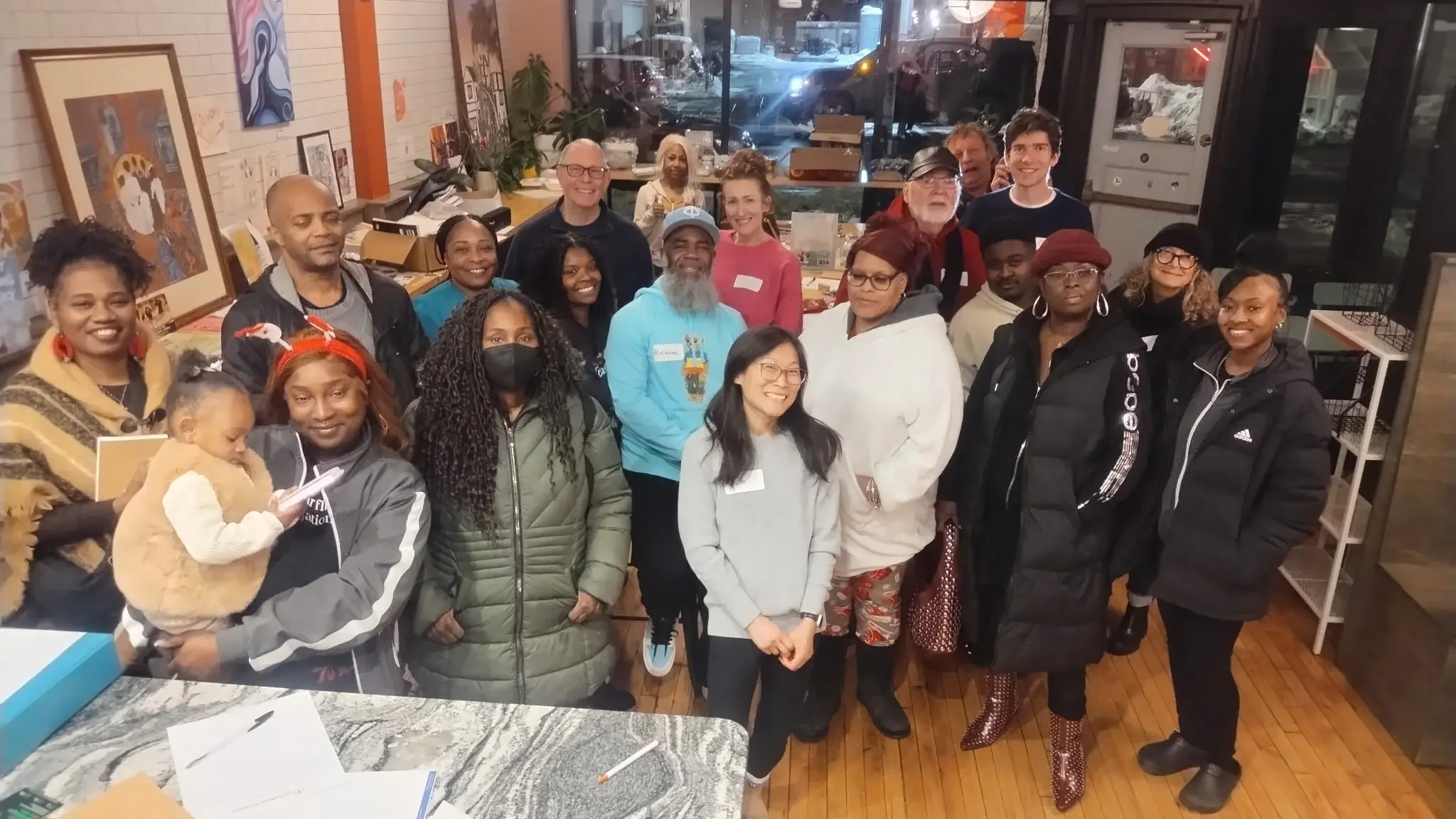
Announcements, closing thoughts, a short survey, and a group photo.
- Nobody gets called on. Join in as much or as little as you like.
- No writing experience needed. Spelling and grammar don't matter.
- Your writing stays yours. Nothing is shared unless you choose to read it.
- Attend one class (or session, if you prefer) or all of them. Each stands on its own.
- Take the skill home. Each course comes with a take-away skill card.
- Bring a friend. Practicing together makes it stick at home.
FOR GROUPS
Bring the Peaceful Pen to your group
Book one course or all three for a parent group, a team or a senior center.
Kids learn conflict skills at school. The Peaceful Pen gives parents the same skills at home.
- For PTAs and parent groups
- Pairs with your school's PeaceMaker programs
Communication skills that keep teams connected, not just compliant. Works as a lunch and learn.
- In person, in Minnesota
- Part of respectful workplace training
A program idea for your senior center, a small group for your faith community, or a series for your neighbors.
- Public, group or sponsored classes
- Anywhere in the Twin Cities
OPEN TO THE PUBLIC
Upcoming public classes
Some are led by PeaceMaker Minnesota and others by our trained facilitators. Public classes are free and open to any adult 18 and older. The series happens over 8 weeks. Some are led by PeaceMaker Minnesota and some by our partner organizations.

LEAD THE PEACEFUL PEN
Become a Peaceful Pen facilitator or course designer
PeaceMaker Minnesota leads Peaceful Pen courses, and so do our partners: people and groups who already bring others together. With our guidance, facilitate a course in your community or design the next one.
- Lead a course in your community, on your own or through your organization. Organizations are listed as the host.
- We pay you and provide the script, the take-away cards, and help solving problems.
- You fill the room: recruiting, marketing and printing. We help promote it.
- Build a course around one peaceful communication skill.
- We help shape and pilot it with a real group.
- Every Peaceful Pen facilitator can then use it.
QUESTIONS
Communication skills classes: common questions
ABOUT THE COURSES
-
Reflective listening means understanding someone's feelings, thoughts, and needs so they feel heard and understood. You stay focused on the speaker, and you check your understanding. This skill is taught in Course 1 of the Peaceful Pen.
-
A good I statement has four parts: I feel…, when…, because…, and what I would like is…. For example: “I feel worried when you are driving past 10 pm, because I want to know that you are safe when I go to bed. What I would like is for you to be home by 10 pm.” It names a feeling without blame, describes the situation objectively, states your need, and asks for one specific change.
-
PeaceMaker Minnesota teaches five: maintain or regain your peace; clarify needs, interests, and feelings; read the situation (including whether it's the right time and defining the problem together); invent options; and decide on a solution that is fair and meets both people's interests.
TAKING PART
-
No. Spelling, grammar, and style don't matter. The prompts are short, and the writing helps you think more about the skill. It is not a writing class.
-
No. Nobody is called on. Classes are as interactive as you're comfortable with, and sharing your writing is always optional.
-
No. The Peaceful Pen is communication-skills training that uses writing. It is not counseling or therapy. If you are going through something difficult, a licensed counselor is the right place to start.
-
Public classes are open to adults 18 and older and are free. Workplaces, senior centers, faith communities, and parent groups can also book their own course.
Listen well. Stay steady. Solve it together.
Join a free public class or bring a course to your group. Public classes stay free because donors and sponsors cover the cost.
Whether you have questions or are ready to attend, lead, design, or donate, contact us: info@peacemakermn.org · 651-631-1604
Sign up for updates
Make our mission yours.
Unsubscribe anytime. We never share or sell your email.